
In 2025, businesses are focusing more than ever on connected systems. Sitecore ERP integration is at the center of this shift, helping organizations bring customer experience and business operations closer together. Companies are moving beyond simple data connections and looking for ways to align processes, reduce manual work, and keep digital platforms consistent.
This guide explores the latest Sitecore ERP integration trends in 2025, what they mean for businesses, and how IT Managed Services support this journey.
Why Sitecore ERP Integration Matters
Sitecore is known for its powerful content management and digital experience features. ERP systems, on the other hand, manage back-office operations like finance, inventory, and supply chain. Integrating the two ensures that customer-facing experiences are connected to real-time operational data.
For example:
Product availability in ERP can directly update Sitecore websites.
Customer orders placed on a Sitecore-driven site sync automatically with ERP.
Finance teams gain accurate, up-to-date records without manual entry.
The result is more efficiency, fewer errors, and a smoother customer experience.
Key Sitecore ERP Integration Trends in 2025
1. API-First Integration Models
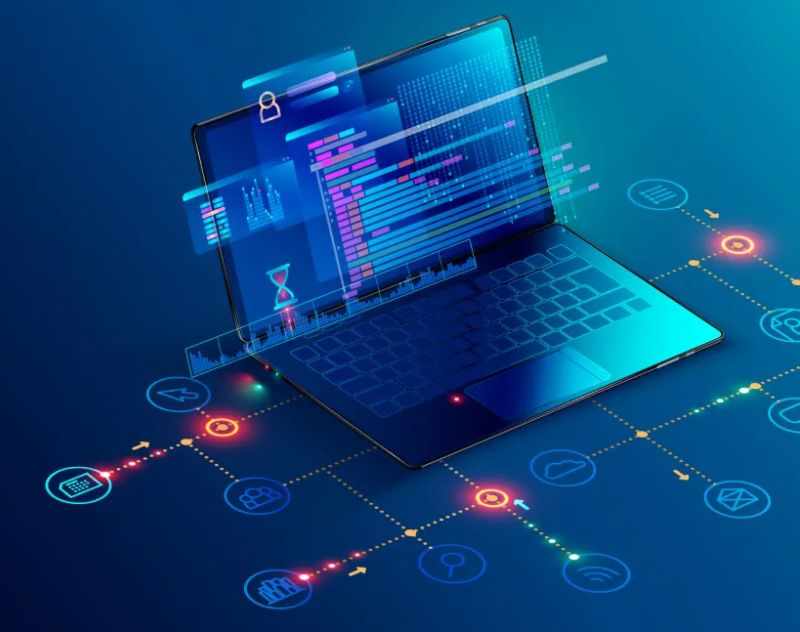
More businesses are moving toward API-first approaches. APIs allow Sitecore and ERP platforms to exchange data in real time without heavy customization. This trend helps companies respond faster to changing business needs and avoids the cost of maintaining rigid connectors.
2. Cloud-Native Deployments
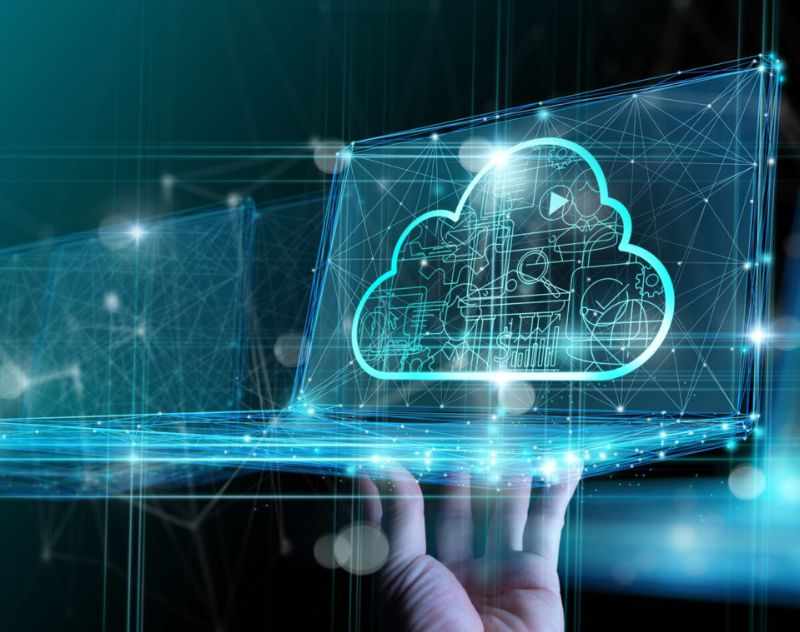
Cloud adoption is no longer optional in 2025. Organizations are hosting Sitecore and ERP solutions in hybrid or full-cloud setups. Cloud-native integration means businesses can scale operations quickly and reduce downtime. IT Managed Services teams play a critical role here by ensuring systems remain secure and optimized in cloud environments.
3. AI-Driven Data Insights
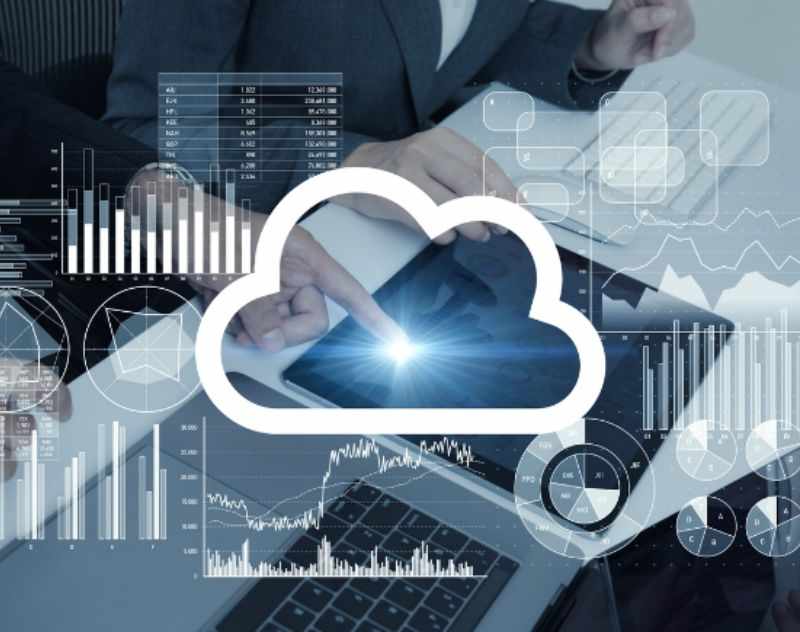
Artificial intelligence is being applied to Sitecore ERP integration to make sense of large volumes of data. AI tools can highlight customer behavior patterns, forecast demand, and identify operational bottlenecks. This trend is especially useful for companies that want to use both customer and back-office data to guide strategy.
4. Security and Compliance Alignment
Data privacy laws are evolving across industries. Businesses in 2025 are integrating compliance tools directly into Sitecore ERP systems. This ensures that personal information, payment details, and operational data remain protected. IT Managed Services providers help monitor these integrations for ongoing compliance.
5. Low-Code and No-Code Tools
Low-code platforms are making integration accessible to non-technical teams. In 2025, many organizations will use drag-and-drop workflows to connect Sitecore with ERP systems. This speeds up project timelines and reduces reliance on large IT departments.
Role of IT Managed Services in Sitecore ERP Integration
Managing Sitecore ERP integration can be complex. IT Managed Services providers support businesses by:
Monitoring data flows for accuracy.
Ensuring integrations stay compatible after updates.
Providing security patches and compliance checks.
Offering 24/7 support to prevent downtime.
For companies without large in-house IT teams, managed services make integration practical and reliable.
Challenges Businesses Face
Despite progress, some challenges remain in 2025:
Legacy Systems: Older ERP versions often lack modern APIs.
Data Quality: Inconsistent data can disrupt workflows.
Cost of Integration: Complex projects may still require significant investment.
Addressing these challenges often requires expert planning, strong testing practices, and ongoing system management.
Best Practices for Businesses in 2025
To get the most from Sitecore ERP integration, companies should:
Start with clear business goals rather than just technical needs.
Involve both IT and business teams in planning.
Choose scalable solutions that can grow with the business.
Rely on IT Managed Services for long-term monitoring and support.
FAQs
Q1: What is the main benefit of Sitecore ERP integration?
The main benefit is connecting customer experiences with back-office operations, ensuring accurate, real-time data across platforms.
Q2: How do IT Managed Services support integration?
They provide ongoing monitoring, security updates, compliance checks, and system optimization, helping businesses maintain reliable integrations.
Q3: Is cloud hosting essential for Sitecore ERP integration in 2025?
While not mandatory, cloud-based setups are increasingly preferred for scalability, security, and cost efficiency.
Conclusion
In 2025, Sitecore ERP integration is more than just a technical project—it’s a way for businesses to stay competitive. By embracing cloud-native setups, AI insights, and low-code tools, companies can align digital experiences with operational needs. With IT Managed Services providing ongoing support, businesses can ensure their integrations remain efficient, secure, and future-ready.







Write a comment ...